
Timing chains are often treated as lifetime components because many vehicles don't have a scheduled replacement interval. That can make it sound as though the chain will automatically last as long as the engine, no matter how the vehicle is maintained or how many miles it travels.
Real-world service is more complicated. The chain itself is only one part of the system. Tensioners, guides, sprockets, oil passages, and variable valve timing components must all keep working correctly. When one of those parts starts to wear, the timing chain can develop problems long before the rest of the engine wears out.
What Lifetime Really Means for a Timing Chain
When an automaker does not list a routine timing chain replacement interval, it generally means the chain is designed to remain in service unless wear or another problem develops. That differs from a timing belt, which usually has a specific mileage- or time-based replacement schedule.
A chain can last well beyond 100,000 miles and continue working properly for many years. It can also wear sooner if the engine has spent long periods low on oil, gone through extended oil change intervals, or developed tensioner and guide problems. No mileage marks the point when a timing chain suddenly fails.
The Chain Depends Heavily on Engine Oil
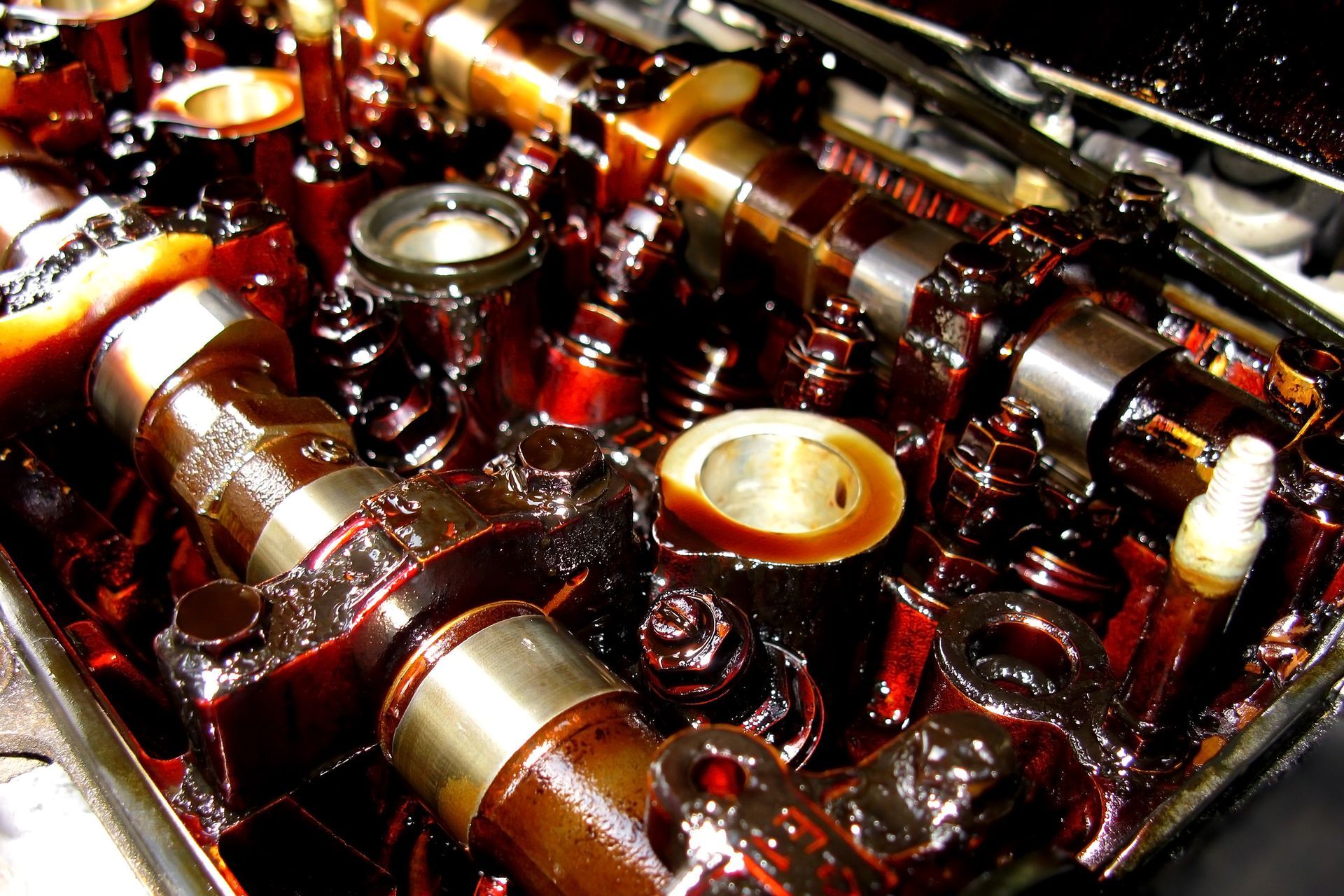
Timing chains operate inside the engine and rely on engine oil for lubrication. Many chain tensioners also use oil pressure to keep the chain tight while the engine is running.
Dirty oil, sludge, low oil level, or the wrong viscosity can interfere with that system. A tensioner that doesn't get oil quickly enough after startup can let the chain run loose for a few seconds. Repeated thousands of times, that extra movement adds wear to the chain, guides, and sprockets.
Regular maintenance is one of the best things you can do for a timing chain system. Keeping the oil at the correct level and changing it with the proper specification gives the chain and tensioner the conditions they were designed for.
Timing Chain Guides Can Wear Before the Chain Does
Most engines use guides to keep the chain traveling along the correct path. These guides commonly have plastic or composite surfaces that are constantly exposed to oil, heat, and chain movement.
As the material ages, it can wear thin, crack, or break. Once that happens, the chain has more room to move and can begin slapping against surrounding components. Pieces of broken guide material can also end up in the oil pan, where they can create additional trouble if they interfere with the oil pickup.
This is one reason a timing chain system should be viewed as an assembly rather than a single metal chain.
Startup Rattle Is Worth Paying Attention To
A brief metallic rattle after a cold start is one of the more familiar timing chain complaints. It often happens before oil pressure fully builds and the tensioner takes up the slack.
Not every startup rattle is a bad chain. Accessory pulleys, heat shields, variable valve timing actuators, and other engine components can make similar sounds. But a rattle that becomes louder, lasts longer, or starts happening more frequently deserves an inspection before it develops into something more serious.
A stretched chain can also produce noise while the engine is running, particularly if the tensioner has reached the limit of its travel.
Timing Faults Can Appear Before Major Noise
Modern engines constantly compare crankshaft and camshaft position. If chain wear changes the relationship between them enough, the computer can recognize that the valve timing is no longer where it expects.
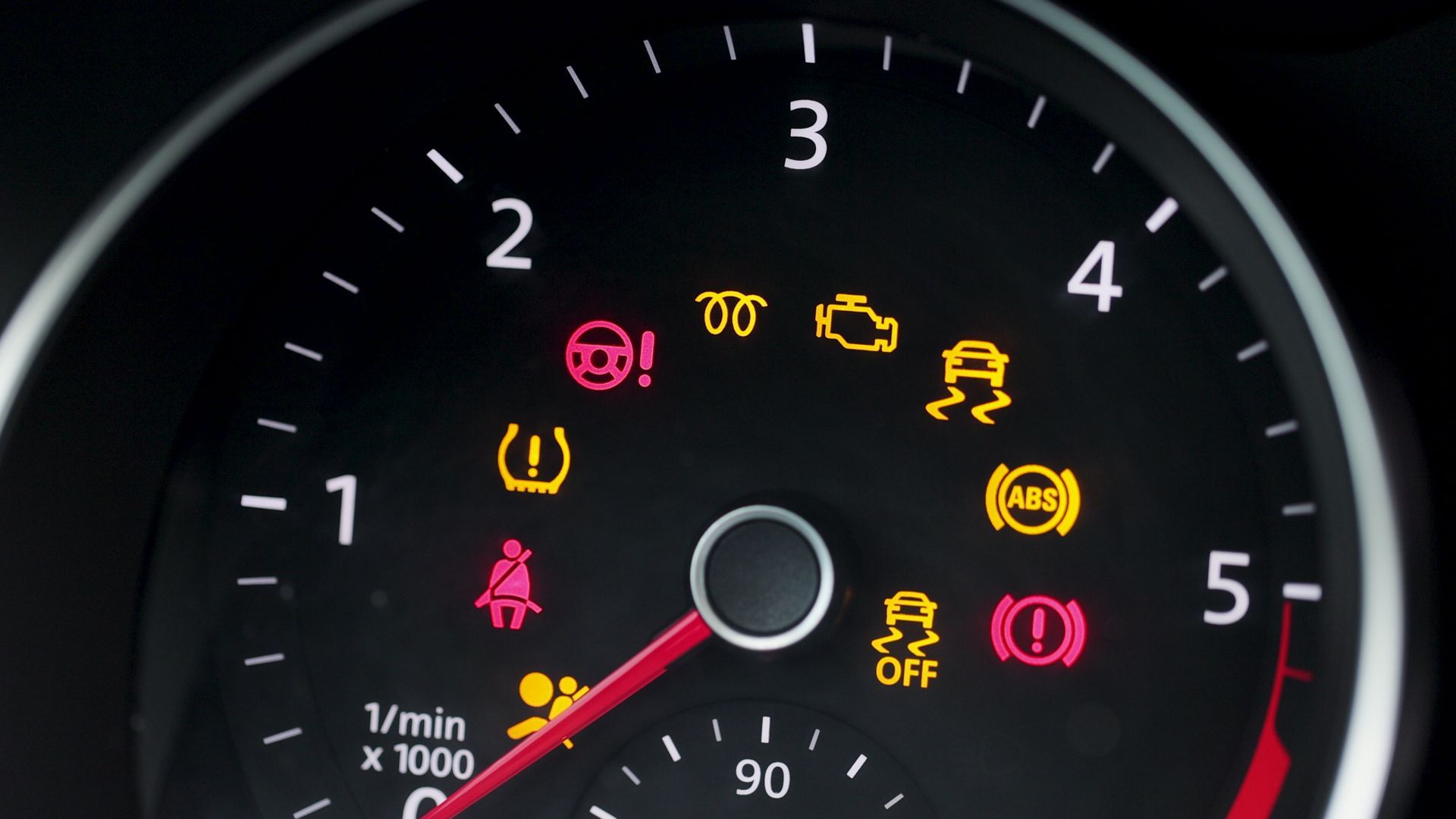
You may see a check engine light along with rough idle, difficult starting, reduced power, or uneven acceleration. Camshaft and crankshaft correlation faults can be related to chain wear, but they can also come from sensors, variable valve timing components, oil-pressure problems, or wiring faults.
We compare the fault information with actual camshaft operation and engine condition before deciding the timing set needs to come apart.
A Loose Chain Can Eventually Jump Timing
The serious risk begins when the chain becomes loose enough to skip over one or more teeth on a sprocket. That immediately changes the relationship between the pistons and valves.
The engine may stall, refuse to start, or run extremely poorly. On an interference engine, incorrect valve timing can allow pistons and valves to make contact. At that point, a timing chain repair can become cylinder-head or complete engine work.
That does not mean every rattling chain is moments away from destroying the engine. It does mean that worsening chain noise or confirmed timing errors should not be ignored.
Should You Replace a Timing Chain Preventively?
If the engine is quiet, timing values are normal, oil service has been kept up, and there are no signs of guide or tensioner trouble, replacing the chain simply because the odometer reached a certain number is not always necessary.
The decision changes when you know there's wear, startup rattle, guide damage, tensioner problems, or timing faults. If major engine work already requires access to the timing system, it can also make sense to replace aging components while the labor overlaps.
At our shop, we evaluate the condition of the entire system and the engine's history rather than treating timing chains as either permanent or automatically overdue.
Get Timing Chain Service In Tualatin, OR, With JC Motors
If your engine has developed a startup rattle, timing-related warning light, rough running, or other signs of timing chain wear, JC Motors in Tualatin, OR, can check the chain, guides, tensioner, oil condition, and related timing components.
Schedule a timing system check before wear affects valve timing or causes internal engine damage.