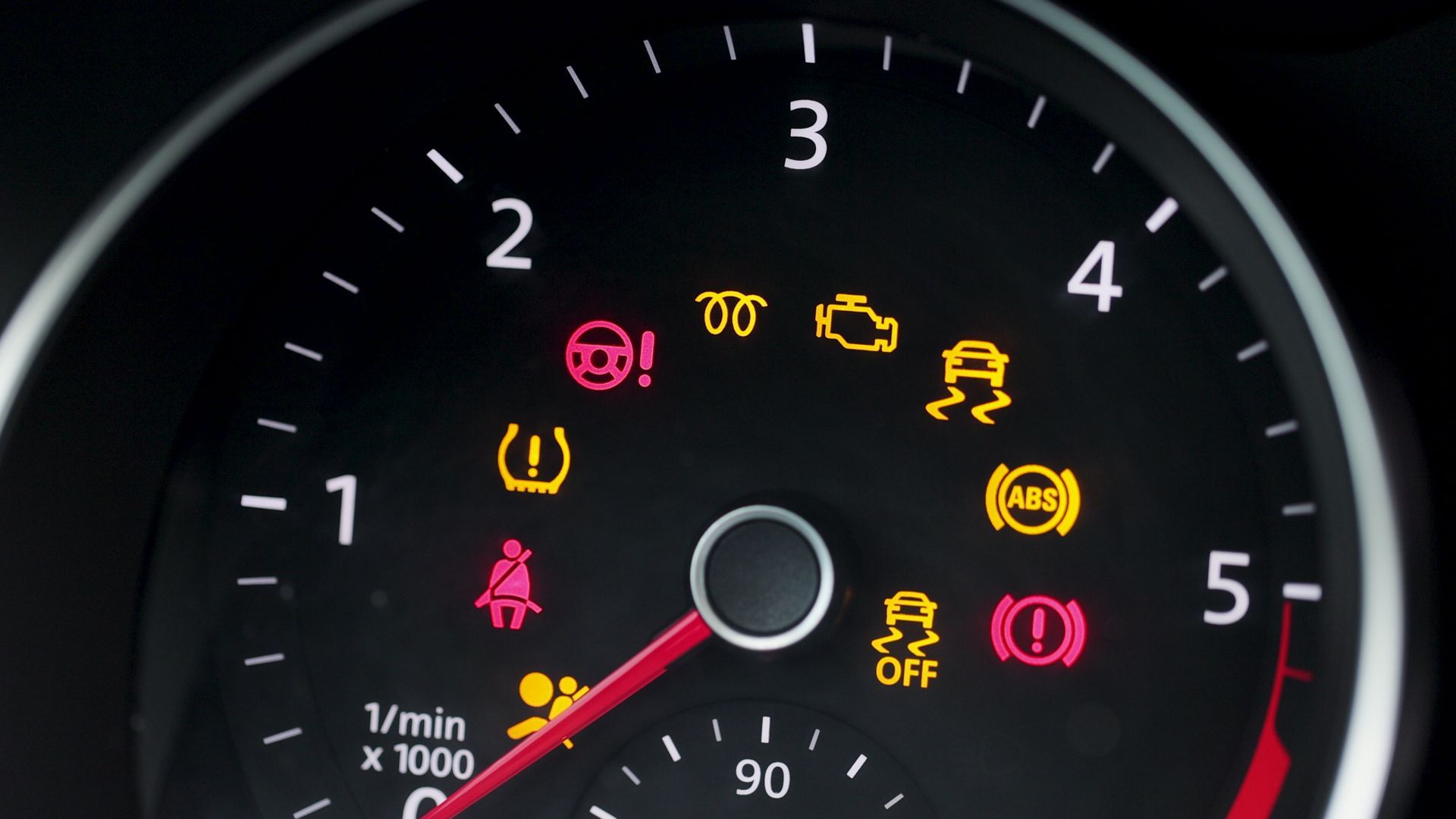
A check engine light can be annoying because it rarely gives you much to work with. The car might feel fine, or it might be shaking, hesitating, using more fuel, or smelling strange. Either way, the light is only saying the vehicle noticed something it wants checked.
A proper check engine light diagnostic can tell you far more than a basic code readout. It can show what the computer saw, when it saw it, how the engine was running at the time, and whether the problem points to spark, fuel, air, sensors, emissions, or something mechanical. That bigger picture is what helps turn a vague warning light into a real repair plan.
The Code Is Only The Starting Point
A trouble code is useful, but it is not the full answer. It might point toward an oxygen sensor, misfire, fuel trim problem, evaporative emissions leak, catalytic converter concern, or airflow issue. That tells a technician where to begin, not which part to replace immediately.
For example, an oxygen sensor code does not always mean the oxygen sensor failed. It may be reporting a lean fuel mixture caused by a vacuum leak, an exhaust leak, low fuel pressure, or a wiring issue. The code opens the door. Testing walks through it.
Engine Misfire Clues Behind The Light
Misfires are a common reason for a check engine light. A misfire means one or more cylinders are not burning fuel correctly. The engine may shake, stumble, hesitate, or feel weak under acceleration. Sometimes the car only acts up for a few seconds, then returns to normal.
A diagnostic can show which cylinder is misfiring and when the problem happens. From there, the spark plugs, ignition coils, fuel injectors, wiring, compression, and intake system may need to be checked. If the light is flashing, the problem is more urgent because unburned fuel can enter the exhaust and damage the catalytic converter.
Fuel And Air Problems That A Proper Diagnostic Can Uncover
Engines need the right balance of fuel and air. Too much fuel can create rich running, poor fuel economy, fuel smells, and catalytic converter stress. Too much air or not enough fuel can cause lean running, hesitation, a rough idle, or higher engine temperatures.
A diagnostic can review fuel trim data, airflow sensor readings, oxygen sensor activity, and engine load. Those numbers help show whether the engine is adjusting too far in one direction. A dirty mass airflow sensor, cracked intake boot, vacuum leak, weak fuel pump, clogged injector, or leaking gasket can all affect that balance.
Sensor Data Helps Explain Engine Behavior
Modern engines depend on sensors for nearly every decision they make. Coolant temperature, airflow, oxygen content, throttle position, camshaft timing, crankshaft position, and fuel pressure can all affect how the engine runs. When one reading is wrong, the computer may make the wrong adjustment.
The tricky part is that a sensor can be bad or be telling the truth about another problem. A coolant temperature sensor may read cold because it failed. It may also read cold because the thermostat is stuck open and the engine never reaches the proper temperature. Looking at live data helps separate a bad reading from a real condition.
Fluid, Leak, And Mechanical Checks Still Count
A scanner cannot see everything. It cannot smell burning oil, spot a cracked hose, hear an exhaust leak, or notice coolant residue around a water pump. Engine problems still require hands-on checks alongside computer testing.
A visual inspection can reveal oil leaks, coolant leaks, damaged wiring, loose connectors, worn belts, cracked intake hoses, or poor battery connections. Low oil, low coolant, and vacuum leaks can all affect engine operation. Regular maintenance also gives a shop a chance to catch small issues before they trigger warning lights or drivability problems.
Warning Signs That Should Not Wait
Some check engine light situations are more urgent than others. If the car feels normal and the light is steady, it should still be checked, but you may have time to schedule service. If the light comes with rough running or strong symptoms, waiting gets riskier.
Pay attention to signs like these:
- Flashing check engine light
- Engine shaking or misfiring
- Loss of power
- Fuel or rotten egg smell
- Overheating
- Hard starting
- Poor acceleration
- Smoke from the exhaust
These symptoms can point toward engine or emissions problems that may damage other parts. A car that is running poorly can harm the catalytic converter, foul spark plugs, waste fuel, or leave you stuck at a bad time.
Why The Repair Plan Should Match The Test Results
A good diagnostic does more than name a code. It helps explain why the code set is and what should be repaired first. That can save money because it keeps the repair focused on the cause instead of the easiest part to blame.
Sometimes the fix is simple, like a loose gas cap, damaged hose, or worn spark plug. Sometimes the problem needs deeper testing, such as fuel pressure checks, smoke testing, compression testing, or wiring checks. Either way, the best repair plan should be based on confirmed results. That is how you avoid replacing parts and seeing the same check engine light come back a few days later.
Get a Check Engine Light Diagnostic In Tualatin, OR, With JC Motors
If your check engine light is on, flashing, or showing up with rough running, poor power, fuel smells, or other engine symptoms, JC Motors in Tualatin, OR, can test the system and explain what the warning really means.