
Brake calipers are supposed to apply pressure, then release cleanly the moment you lift your foot. When one caliper hangs up, it keeps dragging the pad on the rotor, which creates heat, wear, and steering pull you can feel. This is one of those problems that can start small and turn into a rotor-and-pad situation faster than most people expect.
Catching the pattern early saves parts.
1. The Car Pulls To One Side When Braking
A sticking caliper commonly makes the car pull during light or moderate braking because one wheel is doing more work than the other. It’s not subtle, either. You’ll feel it in the steering wheel, and you may find yourself correcting the wheel to keep the car straight.
The direction of the pull usually points toward the side that’s dragging, but it isn’t a guarantee. Front brake issues show up most often at the steering wheel, so if the pull is new and repeatable, check the front calipers and brake hoses before assuming its alignment.
2. One Wheel Smells Hot After Normal Driving
Brake drag creates heat, and heat creates a very distinct hot-brake odor. After a short drive with normal stops, you might notice one corner smells sharp and hot while the others do not. In more advanced cases, that wheel can radiate heat you can feel if you stand near it after parking.
That heat is not harmless. It cooks pads, stresses the rotor, and can even boil brake fluid in severe cases. Our technicians pay close attention to temperature differences side to side because a single hot wheel is one of the most reliable clues that a caliper is not releasing.
3. Brake Pads Wear Out Unevenly Or Way Too Fast
A dragging caliper usually wears one pad faster than its partner, or it wears both pads faster than normal because they never get a real break from the rotor. You might also hear a light scraping sound as you roll, especially with the windows down near a wall or curb. If one pad hits metal early, the rotor can be damaged quickly.
This is where regular maintenance helps in a very practical way. When pads are checked on schedule, uneven wear shows up early, before it turns into rotor replacement. A quick pad comparison can also reveal whether the issue is caliper slide binding, piston binding, or a hose that isn’t letting pressure release the way it should.
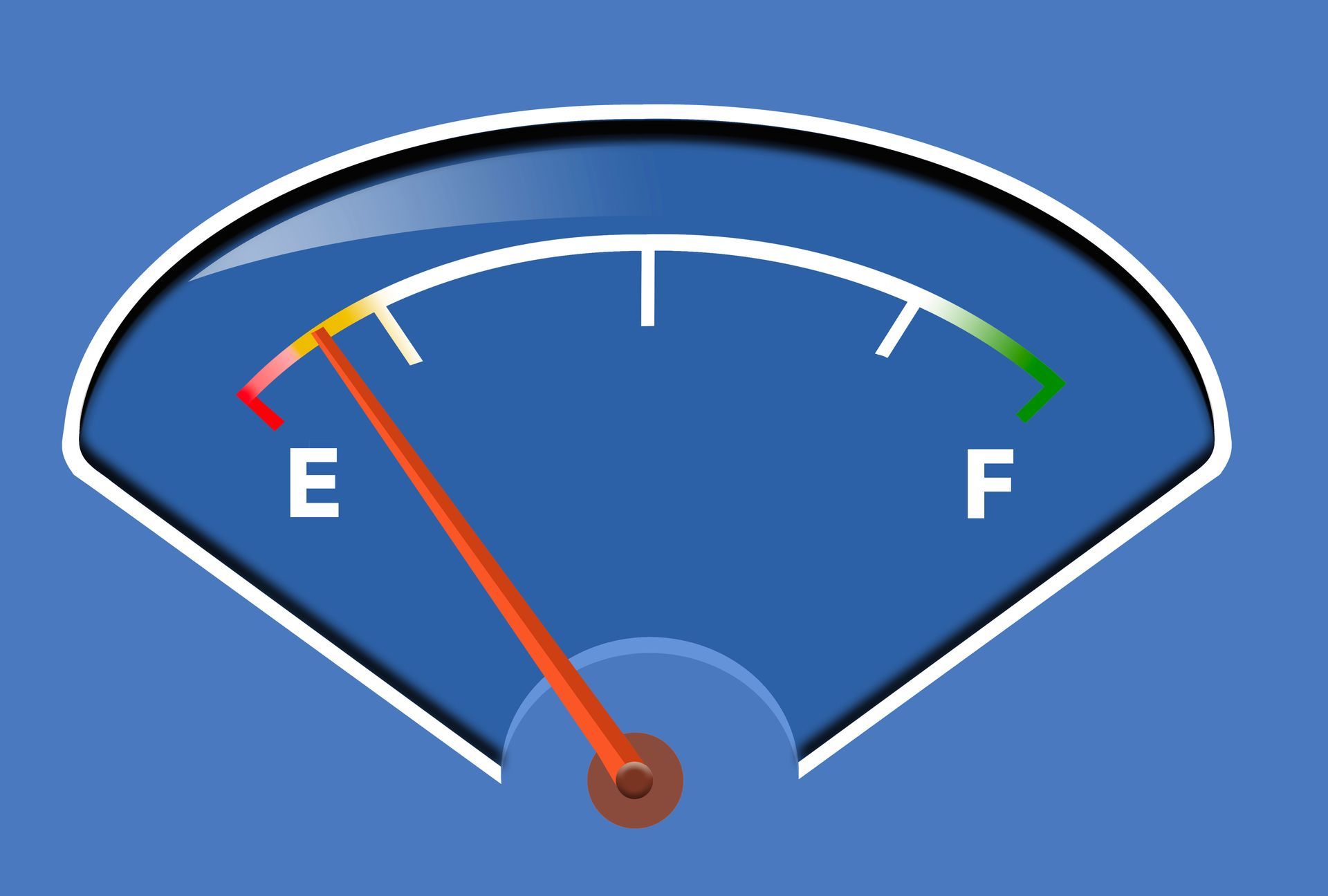
4. The Vehicle Feels Sluggish And Fuel Economy Drops
Brake drag creates rolling resistance. The engine has to work harder to move the car, and that extra work shows up as reduced fuel economy and a heavier feel off the line. Some drivers describe it as the car not wanting to coast as freely as it used to.
Heat from drag can also affect how the brakes feel. After a drive, the pedal might feel slightly different, and stopping can feel less consistent because one corner is overheated. If the vehicle seems to need more throttle for normal driving and you also notice a pull or hot smell, a sticking caliper becomes a very strong suspect.
5. Brake Dust Or Wheel Color Looks Different Side To Side
Brake dust patterns tell a story. A sticking caliper often creates noticeably more dust on one wheel, and the wheel may even look darker compared with the other side. On some vehicles, you’ll also see a slightly different finish on the rotor face where heat has been building repeatedly.
This sign is especially useful because it’s easy to spot during a normal wash or tire pressure check. If one front wheel is consistently dirtier, or one rear wheel looks like it’s doing all the braking, that’s not just cosmetic. It usually means friction is happening when it shouldn’t.
Get Brake Caliper Service In Tualatin, OR With JC Motors
If your car is pulling, running hot at one corner, or eating pads faster than it should, the next step is confirming whether a caliper is sticking and what caused it, so the repair actually lasts.
Schedule an inspection with JC Motors in Tualatin, OR, and we’ll check caliper movement, slide hardware condition, and brake hose behavior before recommending parts.
You’ll get steady braking again without the extra heat and wear.