
Fuel economy usually doesn’t fall off a cliff overnight. It slips. You fill up, notice the tank didn’t last as long, and then you start wondering if it’s your driving, the weather, or something in the car slowly getting worse.
The good news is that there are a few repeat offenders that cause most sudden MPG drops. Some are driving habits. Some are maintenance items. A few are mechanical issues that can cost you money every day until you fix them. Here are seven things that can drag fuel economy down fast and what you can do about them.
1. Underinflated Tires
Low tire pressure increases rolling resistance. That means your engine has to work harder to keep the car moving. Even a few PSI low in all four tires can make a noticeable difference over a couple of tanks.
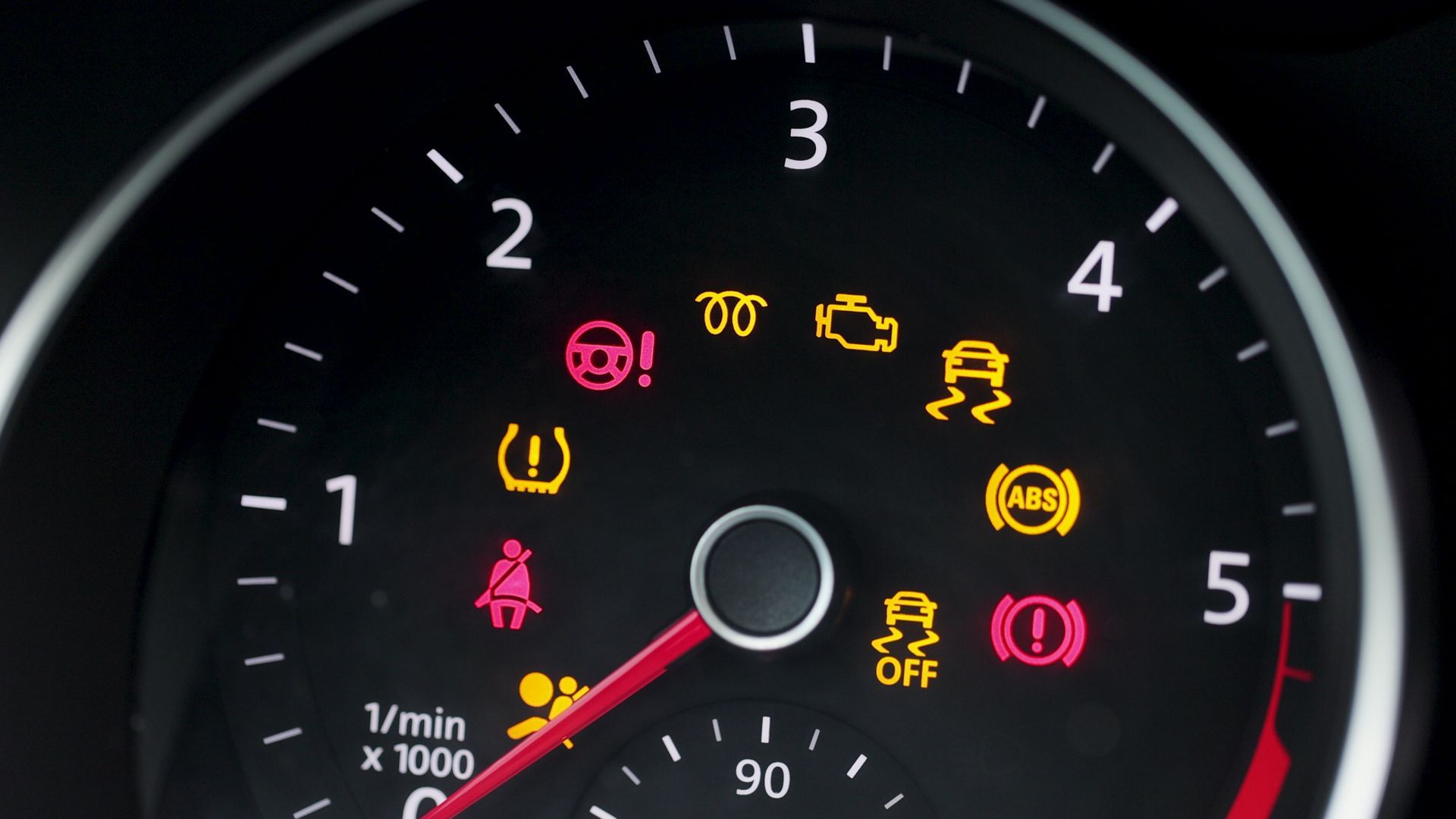
It also wears tires faster and can affect braking and handling. If you only check tire pressure when a warning light comes on, you’re usually late. Checking pressures monthly is a simple habit that protects both your fuel economy and your tires.
2. A Dirty Air Filter Or Restricted Airflow
Engines need air to burn fuel efficiently. A clogged engine air filter or restricted intake can reduce airflow and change how the engine manages fuel. On some vehicles, it causes sluggish acceleration and a richer mixture than necessary.
Not every air filter needs constant replacement, but if it’s been a long time, it’s worth checking. If the filter is packed with debris, replacing it is one of the cheaper fixes that can help drivability and MPG.
3. A Failing Oxygen Sensor Or Fuel Trim Problem
Oxygen sensors help the engine computer adjust the fuel mixture. When an O2 sensor gets lazy or fails, the computer can misjudge the mix, which can lead to extra fuel use. Some vehicles show a check engine light. Others just burn more fuel quietly.
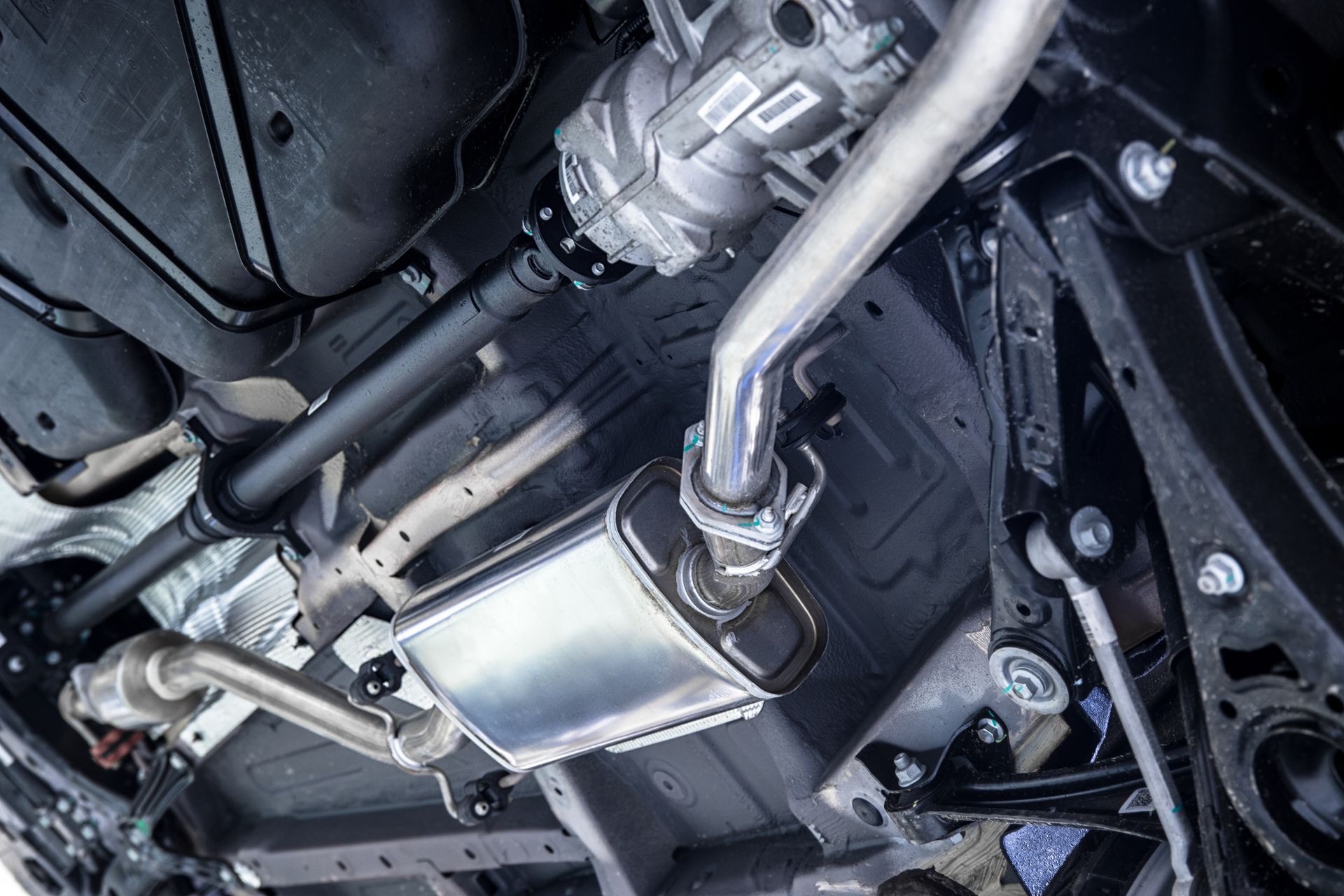
Small air leaks, exhaust leaks, or sensor problems can also cause fuel trim issues. If you notice a fuel smell, rough idle, or a check engine light with an MPG drop, diagnostics should be on the list.
4. Short Trips And Cold Starts
Short trips are hard on fuel economy. The engine runs richer during warm-up, and if you shut it off before it reaches normal operating temperature, you spend most of the trip in that less efficient mode.
This adds up if your routine is a lot of five-minute drives. Combining errands into one longer drive helps. It brings the engine up to full temperature and reduces the number of cold starts, improving efficiency and reducing wear.
5. Dragging Brakes Or A Sticking Caliper
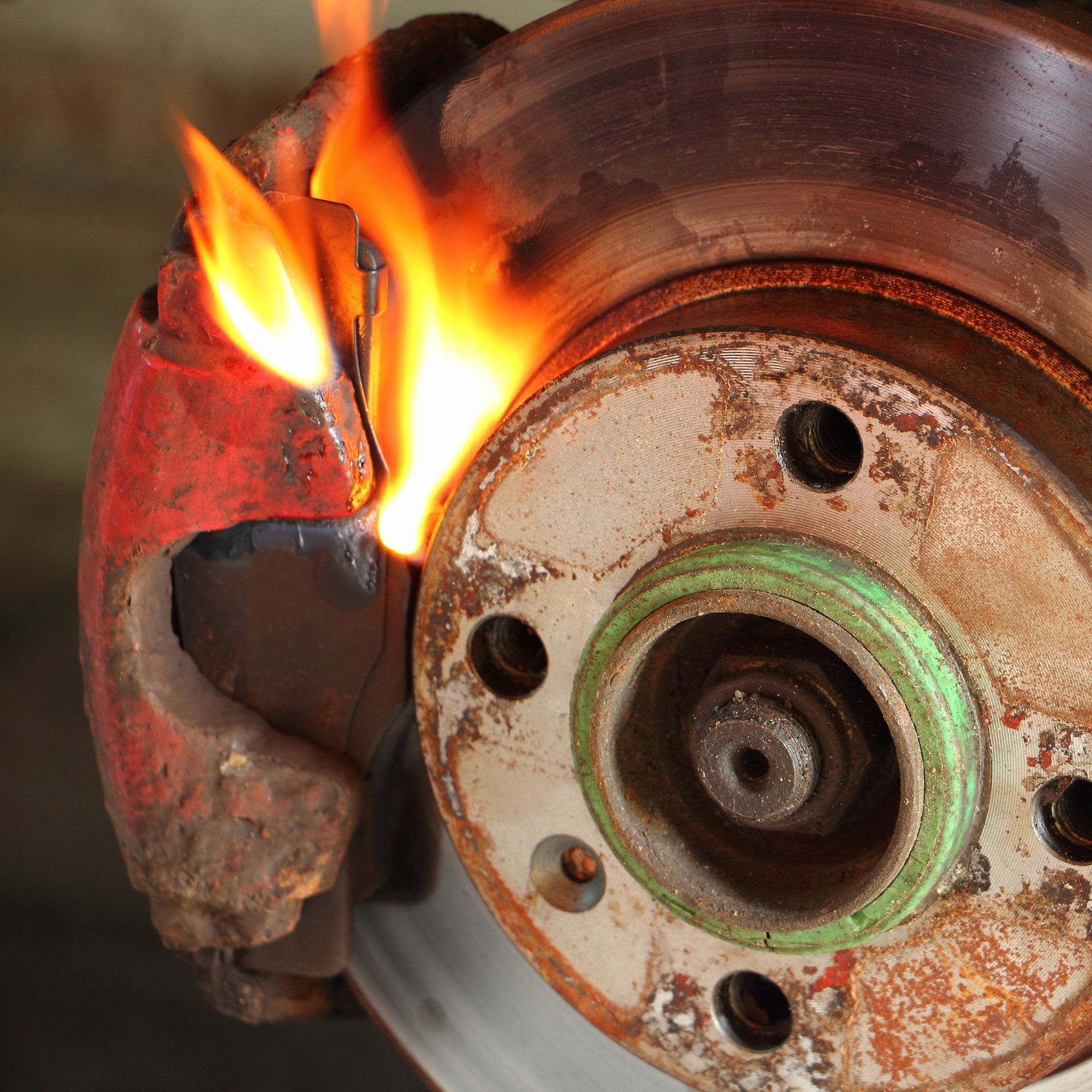
If the car feels less willing to coast, dragging brakes might be part of the story. A sticking caliper or swollen brake hose can keep a pad lightly pressed against the rotor. That creates heat and resistance. It also wears pads and rotors quickly.
You might notice a hot smell near one wheel after driving. You may also see heavy brake dust on one rim compared to the others. If you suspect drag, have it inspected soon. It can become a safety issue, and it will keep costing you at the pump.
6. Driving Habits That Add Up Quickly
Fuel economy is sensitive to how you accelerate and brake. Hard launches, last-second braking, and speeding all cut MPG, especially around town. The biggest gain usually comes from steadier inputs.
If you want one practical change, leave a little more following distance. It gives you room to lift off the gas earlier, coast more, and brake less. That habit improves MPG and reduces brake wear at the same time.
7. Extra Weight And Excess Drag
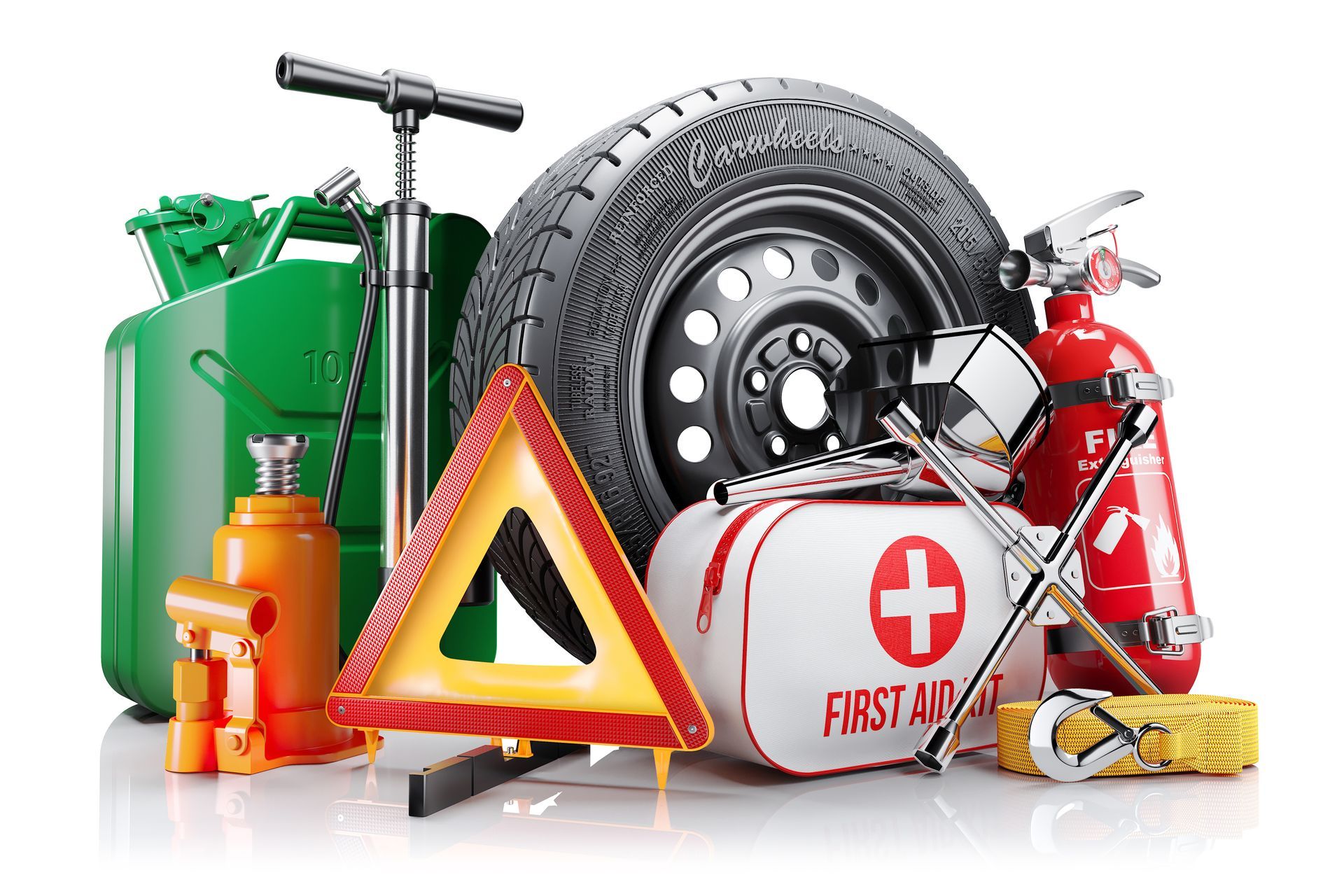
Carrying extra weight affects fuel economy. So does aerodynamic drag. A trunk full of gear, heavy tools, or sports equipment that lives in the car all the time makes the engine work harder. Roof racks and cargo boxes add wind resistance, and that can hurt MPG noticeably at highway speeds.
It’s worth doing a quick cleanout if your fuel economy has been sliding. Remove what you don’t need, and take the roof gear off when you’re not using it.
How We Track Down MPG Drops Without Guessing
The fastest way is to pair driver observations with scan data. We look for trouble codes, check fuel trim numbers, and review sensor readings that indicate whether the engine is running rich or lean. We also inspect common culprits like tire pressure, brake drag, and air intake restrictions.
We’ve seen plenty of vehicles where the owner assumed it was just winter fuel or traffic, and the real issue was a small problem that kept draining MPG every day. Once that root cause is fixed, the savings show up quickly.
Get Fuel Economy Diagnostics in Tualatin, OR, with JC Motors
We can diagnose what’s hurting your MPG, whether it’s tire and brake drag, airflow restrictions, sensor issues, or a developing engine problem. We’ll explain what we find clearly and help you prioritize fixes that actually make a difference.
Call
JC Motors in Tualatin, OR, to schedule a fuel economy check and stop wasting fuel on a preventable issue.