
A breakdown or flat tire always seems to happen on the one day you are in a hurry. An emergency car kit will not fix everything, but it can turn a bad situation into something you can manage calmly instead of a small crisis on the shoulder. The goal is not to pack a whole garage into your trunk.
You just want the right mix of safety, basic tools, and comfort items that fit your vehicle and your family.
Why Every Driver Needs an Emergency Car Kit
Modern cars are reliable, but they still depend on tires, batteries, fluids, and traffic conditions you cannot control. A simple emergency kit helps you stay visible, stay warm or cool, and deal with minor problems while you wait for help or finish the trip safely. It can also save you from relying on whatever random tools or supplies happen to be at the gas station.
I like to think of an emergency kit as cheap insurance. Most of the time it rides around quietly in the trunk. On the day you need it, though, having a flashlight, jumper cables, or a first aid kit already on board feels like a very smart decision.
Essential Safety Gear to Keep in Your Trunk
Safety gear is the foundation of a good kit. If nothing else, you want to be seen and protected when you are stopped at the side of the road:
- Reflective triangles or LED road flares
- A high-visibility safety vest
- A bright flashlight with extra batteries or a rechargeable work light
- A compact first aid kit with bandages, antiseptic wipes, and basic medications
- Heavy work gloves to handle hot, sharp, or dirty parts
These items make it easier for other drivers to see you and give you space. They also help you work around the vehicle without cutting or burning your hands.
Tools and Supplies for Basic Roadside Repairs
You do not need professional-level tools, but a few basics can get you out of common jams:
- Quality jumper cables or a small jump starter pack
- A tire inflator or 12-volt air compressor
- A can of tire sealant if your vehicle does not carry a full-size spare
- A lug wrench that actually fits your lugs and a solid jack if your car uses a space-saver spare
- A multi-tool or small tool kit with screwdrivers, pliers, and adjustable wrench
- A roll of duct tape and a couple of hose clamps for temporary fixes on loose plastic or small coolant leaks
We have seen many roadside headaches that would have been much smaller if the driver had a working jack, a proper wrench, and a way to air up a slow leak long enough to reach a shop.
Comfort Items That Make Breakdowns Less Stressful
Being stuck with a disabled vehicle is one thing. Being stuck, uncomfortable, and unprepared is worse. A few comfort items take the edge off a long wait:
- Bottled water and some non-perishable snacks
- A compact blanket and a spare hoodie or jacket
- Paper towels or shop towels and some basic wipes
- A small notepad and pen to jot down details after a minor collision or incident
If you have kids or pets, you can tailor this part of the kit with a couple of small toys, an extra leash, or anything that helps keep everybody calmer while you wait for a tow truck.
Seasonal Add-Ons and Trip-Specific Gear
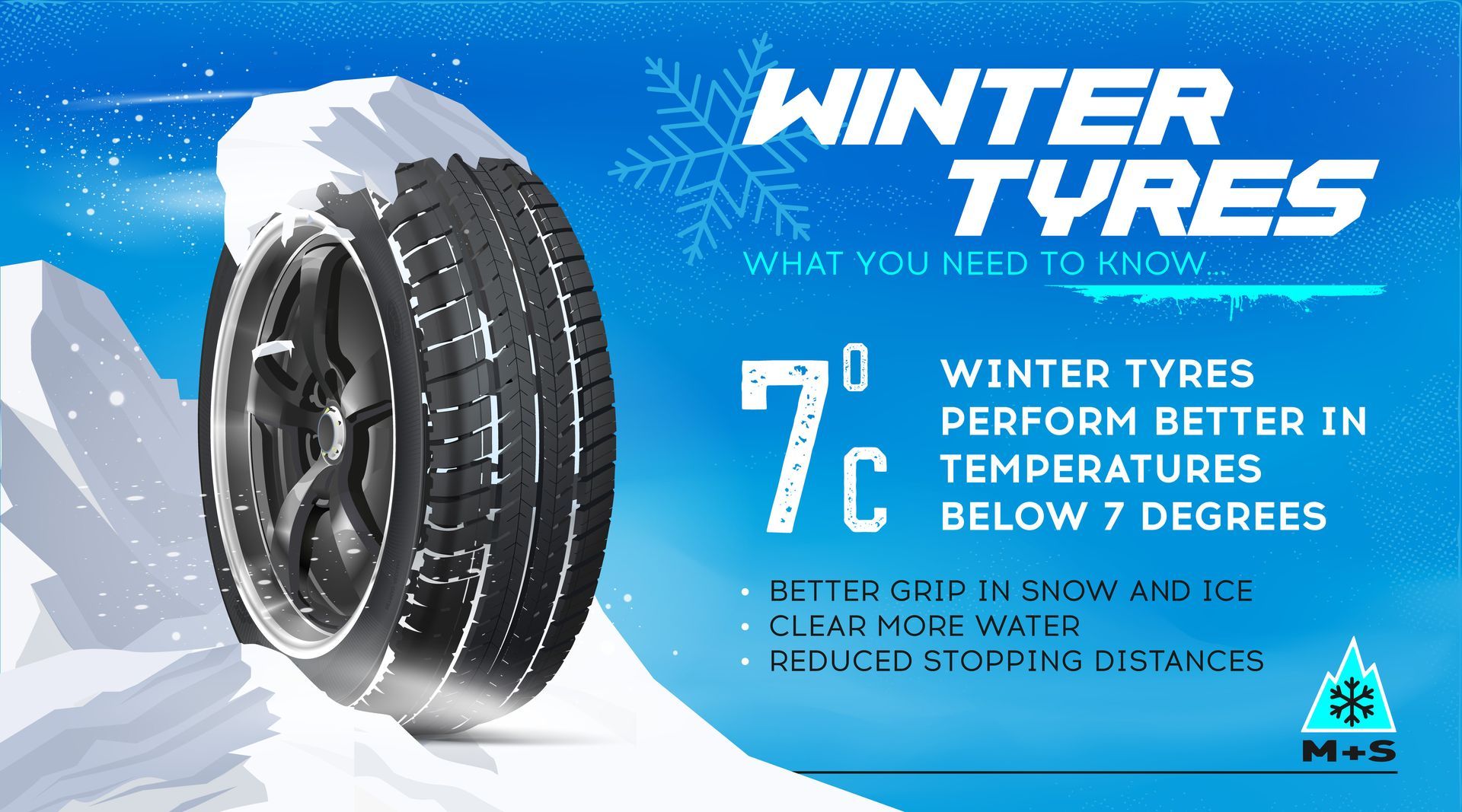
Your emergency kit should change a little with the seasons and your travel plans. For winter, it makes sense to add:
- An ice scraper and small snow brush
- Extra warm clothing and another blanket
- A small bag of sand or kitty litter for traction on icy shoulders
Long summer road trips might call for extra water, sunblock, and a hat in case you are outside the vehicle for a while. If you drive into remote areas, consider a paper map, a whistle, and a backup phone charger that does not rely on the car’s power outlet. The more time you spend away from busy roads, the more important those extras become.
How to Store and Maintain Your Emergency Car Kit
An emergency kit only helps if you can reach it and everything works. Use a sturdy plastic bin or soft-sided bag to keep items together and stop them from rolling around the trunk. Heavier items should go at the bottom so they do not become projectiles in a sudden stop.
Every few months, or at least twice a year, take ten minutes to:
- Check expiration dates on first aid items and snacks
- Test your flashlight and replace batteries if needed
- Make sure jumper cables are not corroded or damaged
- Verify that tire inflators, sealant cans, and tools are still where you left them
We often see drivers who thought they were prepared, only to find a dead flashlight or a missing jack when they actually needed help. A quick review keeps your kit ready instead of just taking up space.
Get Emergency Car Kit Help in Tualatin, OR with JC Motors
If you are unsure where to start or want a technician’s input on what belongs in your specific vehicle, we can help you build a practical emergency car kit. We can also inspect your spare tire, jack, and basic tools to make sure they are ready to use.
Schedule a visit with
JC Motors in Tualatin, OR, and we will help you get your car set up for the unexpected.