A dashboard warning light never shows up at a convenient time. You’re driving to work, heading home from dinner, or sitting in traffic when a symbol appears and leaves you wondering how serious it is.
Some lights give you time to plan. Others are telling you to stop before the car gets expensive or unsafe.
The trick is knowing which ones need immediate attention and which can be checked later. When in doubt, the safest move is to take the light seriously until you know what triggered it.
1. Oil Pressure Warning Light
The oil pressure light is one of the big ones. It does not mean you are simply due for an oil change. It means the engine may not have enough oil pressure to protect moving parts.
If this light comes on while driving, pull over safely and shut off the engine. Low oil pressure can damage bearings, timing components, camshafts, and other internal parts quickly. Checking the oil level is a start, but adding oil does not always solve the problem that caused the pressure to drop.
2. Temperature Warning Light
The temperature warning light means the engine is running too hot. That can come from low coolant, a failed thermostat, a weak radiator fan, a water pump problem, a coolant leak, or a clogged radiator.
Do not keep driving and hope the airflow will fix it. Overheating can warp metal, damage gaskets, and turn a cooling system repair into engine work. If you see this light, get safely off the road and let the engine cool before checking anything.
3. Battery Warning Light
The battery light is really a charging system warning. The battery starts the car, but the alternator keeps the electrical system powered once the engine is running. If the alternator is not charging, the vehicle can run only until the battery is drained.
You might notice dim lights, flickering electronics, weak accessories, or several warning lights appearing at once. A loose belt, weak alternator, corroded cable, bad ground, or failing battery can all be involved. We test the full charging system before calling one part bad.
4. Brake Warning Light
A red brake warning light deserves quick attention. It can indicate the parking brake is engaged, but it can also signal low brake fluid, a hydraulic issue, or a problem with the braking system.
If the pedal feels soft, low, or different, do not keep driving. Brake fluid loss is a safety issue, and low fluid can point to worn brake parts or a leak. Regular maintenance helps catch brake wear before the warning light gets involved.
5. ABS Warning Light
The ABS light means the anti-lock braking system has detected a fault. Your regular brakes may still work, but the anti-lock feature may not help during a hard stop or slippery-road situation.
Common causes include wheel speed sensor problems, damaged wiring, tone ring issues, or ABS module faults. If the ABS light is on with a red brake warning light, treat it as more urgent. That combination needs an inspection before you trust the brakes in traffic.
6. Check Engine Light
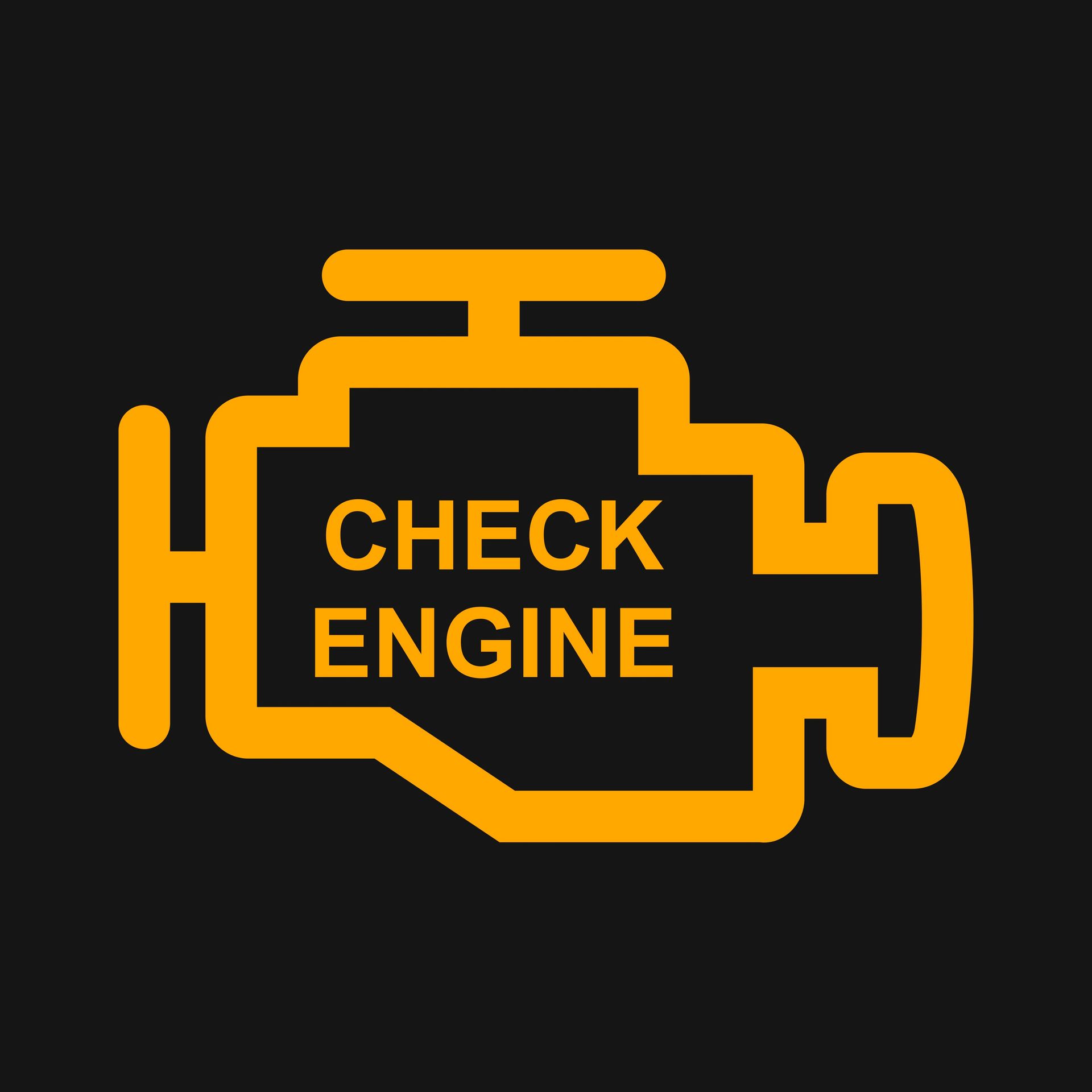
A steady check engine light can point to many things: emissions faults, sensor readings, misfires, fuel mixture problems, EVAP leaks, or catalytic converter concerns. The car might feel normal and still be running outside its expected range.
A flashing check engine light is different. That often points to an active misfire, which can damage the catalytic converter. If it flashes, ease off the gas and avoid driving normally. The stored data can help one of our technicians track the real cause.
7. Tire Pressure Warning Light
The TPMS light indicates that one or more tires may be low or that the monitoring system has a fault. Tires can look fine and still be underinflated enough to affect handling, braking, fuel economy, and tread wear.
Check the pressure when the tires are cold and use the number on the driver's door placard. If one tire keeps dropping, there may be a nail, valve stem leak, bead leak, or wheel issue. Do not keep topping it off without finding the reason.
8. Airbag Warning Light
The airbag light means the supplemental restraint system has detected a fault. That can involve an airbag module, seat belt pretensioner, impact sensor, wiring, clock spring, seat sensor, or communication issue.
The concern is simple. If the system is not happy, the airbags may not deploy correctly in a crash. This is not a light to clear and forget. It needs proper testing so the safety system is ready when it counts.
9. Power Steering Warning Light
A steering warning light can mean hydraulic power steering trouble or electric power steering trouble, depending on the vehicle. You may notice heavier steering, whining, stiffness, or assist that cuts in and out.
If steering assist drops while you’re parking or turning, the vehicle can become much harder to control. Low fluid levels, leaks, belt problems, electrical motor faults, sensors, or wiring can all play a role. The sooner it is checked, the less likely you are to get surprised mid-turn.
10. Transmission Temperature Or Transmission Warning Light
A transmission warning light can indicate overheating, slipping, pressure problems, sensor faults, or fluid issues. If the transmission gets too hot, the fluid breaks down faster, and internal wear can accelerate.
You might feel harsh shifts, delayed engagement, shuddering, or the vehicle going into reduced power mode. Stop pushing it hard if this light appears. Towing, hills, heavy traffic, and low fluid can all make transmission heat worse.
Get Warning Light Diagnostics In Tualatin, OR, With JC Motors
If a warning light is on your dashboard, JC Motors in Tualatin, OR, can check the vehicle, read the correct system data, and explain what needs attention first.