
When an engine begins using more oil between services, switching to a thicker oil can seem like a simple fix. In some older or worn engines, a higher-viscosity oil may reduce the amount of oil passing through worn clearances, but that does not mean it is always safe or appropriate.
Excessive oil consumption can come from several different causes, including worn piston rings, valve stem seals, turbocharger problems, crankcase ventilation faults, or external leaks. Before changing viscosity, it is better to understand why the oil level is dropping and whether the manufacturer allows another grade.
Why Thicker Oil Can Sometimes Reduce Consumption
A thicker oil resists flowing through small gaps more than a thinner oil at the same operating temperature. In an engine with increased internal clearances, that may slightly reduce how much oil reaches the combustion chambers.
The effect depends heavily on the cause of the consumption. If the engine has moderate wear, the change may help. If oil-control rings are badly stuck, valve seals are failing, or a turbocharger is passing oil, changing viscosity may have little effect at all.
Thicker Oil Does Not Repair Engine Wear
It is important to separate symptom reduction from repair. A heavier oil cannot restore worn piston rings, repair damaged cylinder walls, replace hardened seals, or correct a failed PCV system.
If oil consumption drops after a viscosity change, the underlying wear is still present. The engine may continue to operate acceptably for a long time, but the condition should still be monitored. If consumption starts increasing again, further testing may be needed.
Going Too Thick Can Create Other Problems
Modern engines are designed around a specific range of oil flow and pressure. Using oil that is significantly thicker than recommended can slow circulation during cold starts, when the engine needs fast lubrication the most.
It can also affect components that depend on oil pressure and flow, including variable valve timing systems, hydraulic timing chain tensioners, and cylinder deactivation components. Turbocharged engines can be especially sensitive because their bearings rely on a steady supply of oil through relatively small passages.
The Manufacturer's Specification Should Come First
The owner's manual and manufacturer service information should be the starting point when choosing oil. Some engines allow more than one viscosity depending on climate or operating conditions, while others specify a much narrower range.
If a slightly heavier oil is already approved for the engine, it may be a reasonable option under certain circumstances. That is very different from jumping from a light oil to a much heavier grade simply because the engine has high mileage or is using oil.
High-Mileage Oil May Be a Better Option
Drivers sometimes confuse high-mileage oil with thicker oil, but they are not the same thing. High-mileage formulations are available in many of the same viscosity grades recommended for newer engines.
These oils may include additive packages designed for older seals, deposit control, and engines with more years of service. If your vehicle calls for 5W-30, a high-mileage 5W-30 may provide an age-appropriate formulation without changing the viscosity the engine was designed to use.
Find Out Where the Oil Is Going
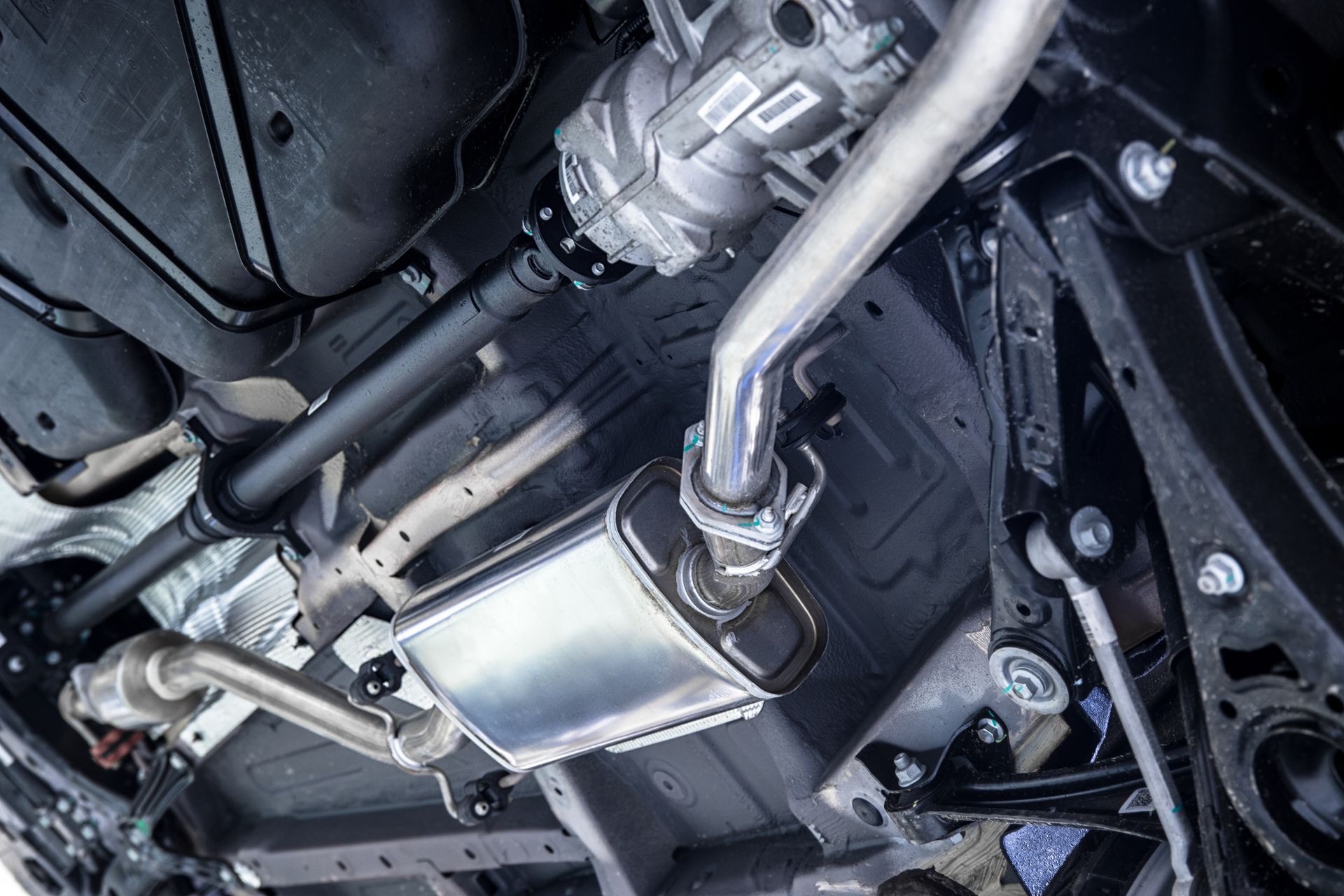
Before changing oil grade, it helps to determine whether the oil is being burned internally or leaking externally. A small leak can lower the level between services without leaving an obvious puddle, especially if the oil collects on an underbody shield or burns off on a hot engine component.
Possible causes of oil loss include:
- Valve cover gasket leaks
- Oil filter housing leaks
- Worn piston rings
- Hardened valve stem seals
- PCV system problems
- Turbocharger oil leakage
- Timing cover or crankshaft seal leaks
An inspection can often separate visible leakage from internal consumption. That makes it much easier to decide whether an oil change in viscosity is even relevant to the problem.
Blue Smoke Can Offer Useful Clues
Blue or blue-gray exhaust smoke usually means engine oil is entering the combustion process. When the smoke appears, it can provide useful information about where the oil may be coming from.
Smoke during startup can sometimes point toward valve stem seals, while smoke under acceleration may be more consistent with piston ring or turbo-related concerns depending on the engine. These patterns are clues rather than proof, so testing is still needed before recommending repairs.
Keep Track of How Much Oil the Engine Uses
One of the most useful things a driver can do is measure consumption over time. Check the oil level on level ground and record the mileage each time oil is added.
A stable pattern is easier to manage than a rapidly increasing one. If the engine used very little oil in the past and suddenly begins requiring frequent top-offs, that change deserves attention even if the engine still seems to run normally.
Topping Off Is Necessary but Does Not Replace Service
Adding oil when the level is low is important because operating an engine below the safe range can damage bearings, timing components, and turbochargers. It should never be delayed just because the next oil change is coming soon.
At the same time, topping off does not replace regular maintenance. The older oil still contains contamination and depleted additives. The oil filter also remains in service until it is replaced, so keeping the level full and changing the oil on schedule are two separate responsibilities.
When Thicker Oil May Be Reasonable
A slightly heavier oil may be worth considering when the engine has measurable wear, the manufacturer allows the viscosity, and the change is being made for a specific reason rather than as a blanket high-mileage rule.
It should not be used to hide a serious oil pressure problem or severe internal damage. If an oil pressure warning appears, the pressure should be tested and the cause identified rather than simply trying a thicker lubricant.
Get Oil Consumption Testing in Tualatin, OR, With JC Motors
JC Motors in Tualatin, OR, can check for oil leaks, PCV system concerns, internal oil consumption, and other conditions that may be lowering your engine oil level between services.